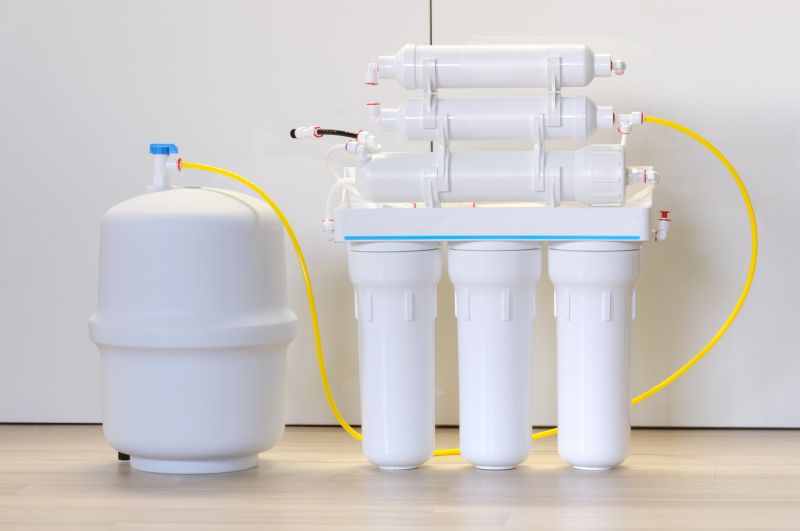
Drinking Water Filtration in Cincinnati, OH
Drinking water filtration services involve installing systems designed to improve the quality and safety of tap water in residential properties. These services typically include evaluating the existing water supply, selecting appropriate filtration units such as reverse osmosis, carbon filters, or UV purifiers, and ensuring proper installation to remove contaminants like chlorine, sediment, lead, and other impurities. Projects may range from upgrading existing filtration systems to installing whole-house filters that provide clean drinking water throughout the home, addressing specific concerns like bad taste, odor, or health-related water quality issues.
Homeowners considering drinking water filtration often want to understand the types of filtration options available, how they can address specific water quality concerns, and what maintenance might be required over time. It’s important to evaluate the source of the water, such as well water or municipal supply, and identify any particular contaminants that need to be targeted. Proper assessment helps property owners select the most effective system for their needs, ensuring safe, clean drinking water for their household.
Many property owners in Cincinnati, OH look into Drinking Water Filtration for repairs, replacements, upgrades, and appearance-related improvements.
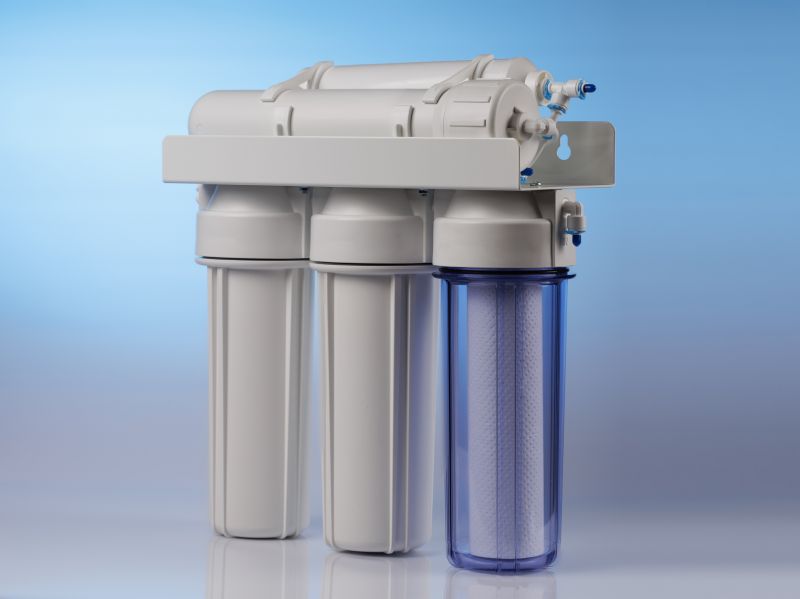
Water Quality Improvement
Filtering systems remove contaminants to ensure safe drinking water for cincinnati homes.
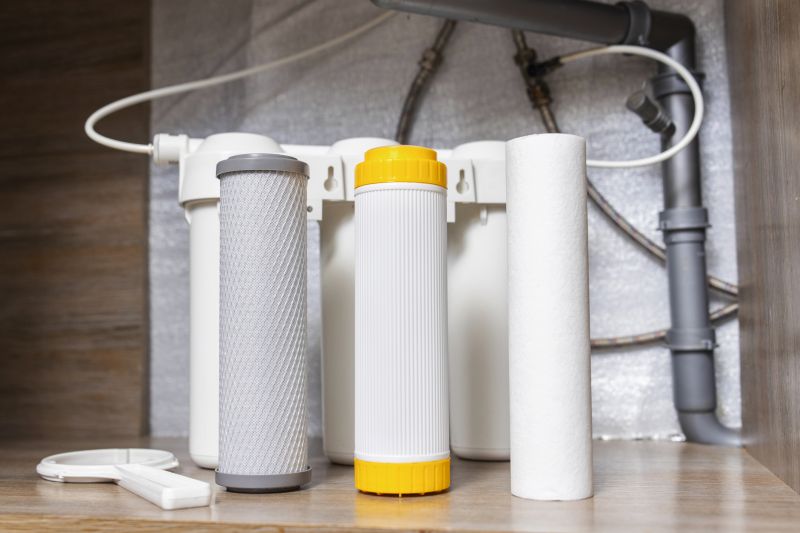
System Installation & Maintenance
Proper installation and regular upkeep help maintain effective filtration for your household water supply.
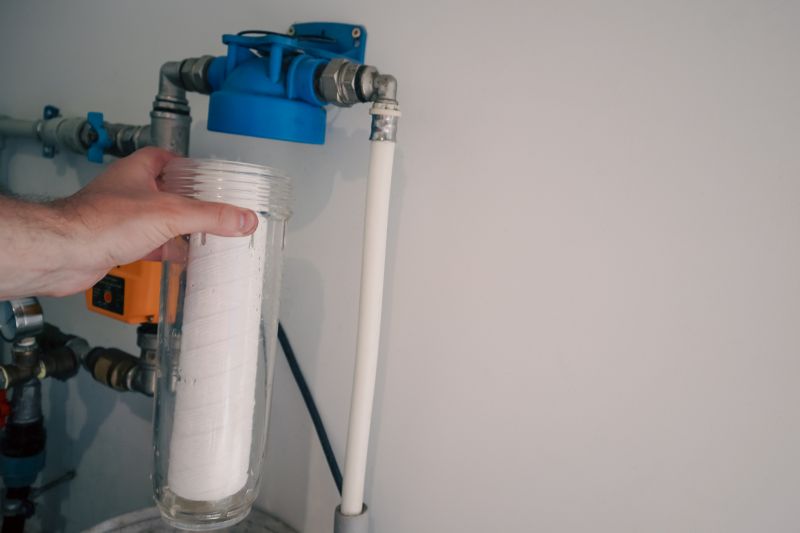
Health & Safety Benefits
Clean water reduces health risks and provides peace of mind for families in cincinnati and nearby areas.
Drinking Water Filtration in Cincinnati, OH

Drinking water filtration services involve installing systems designed to improve the quality and safety of tap water in residential properties. These services typically include evaluating the existing water supply, selecting appropriate filtration units such as reverse osmosis, carbon filters, or UV purifiers, and ensuring proper installation to remove contaminants like chlorine, sediment, lead, and other impurities. Projects may range from upgrading existing filtration systems to installing whole-house filters that provide clean drinking water throughout the home, addressing specific concerns like bad taste, odor, or health-related water quality issues.
Homeowners considering drinking water filtration often want to understand the types of filtration options available, how they can address specific water quality concerns, and what maintenance might be required over time. It’s important to evaluate the source of the water, such as well water or municipal supply, and identify any particular contaminants that need to be targeted. Proper assessment helps property owners select the most effective system for their needs, ensuring safe, clean drinking water for their household.
Many property owners in Cincinnati, OH look into Drinking Water Filtration for repairs, replacements, upgrades, and appearance-related improvements.
Common Drinking Water Filtration Jobs
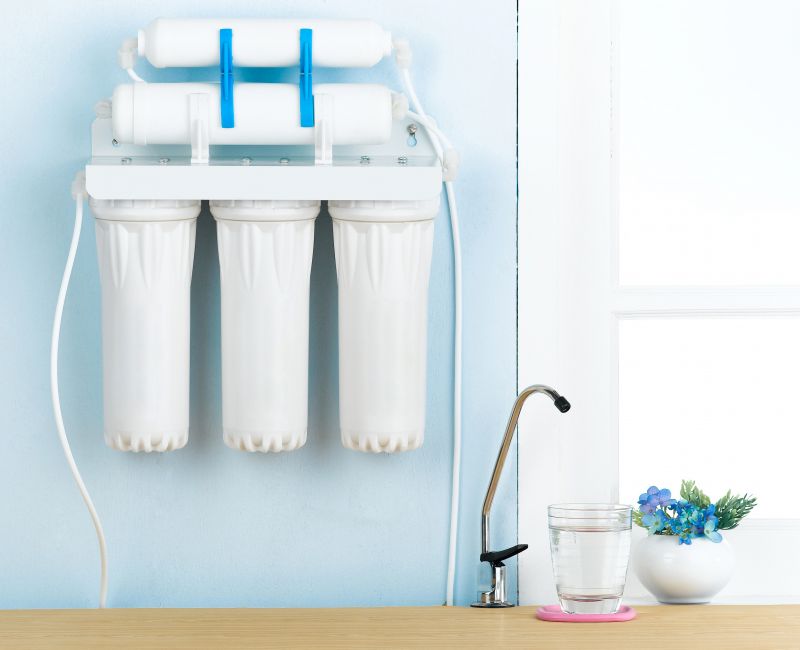
Water filtration system installation - improves the quality of tap water for household use.
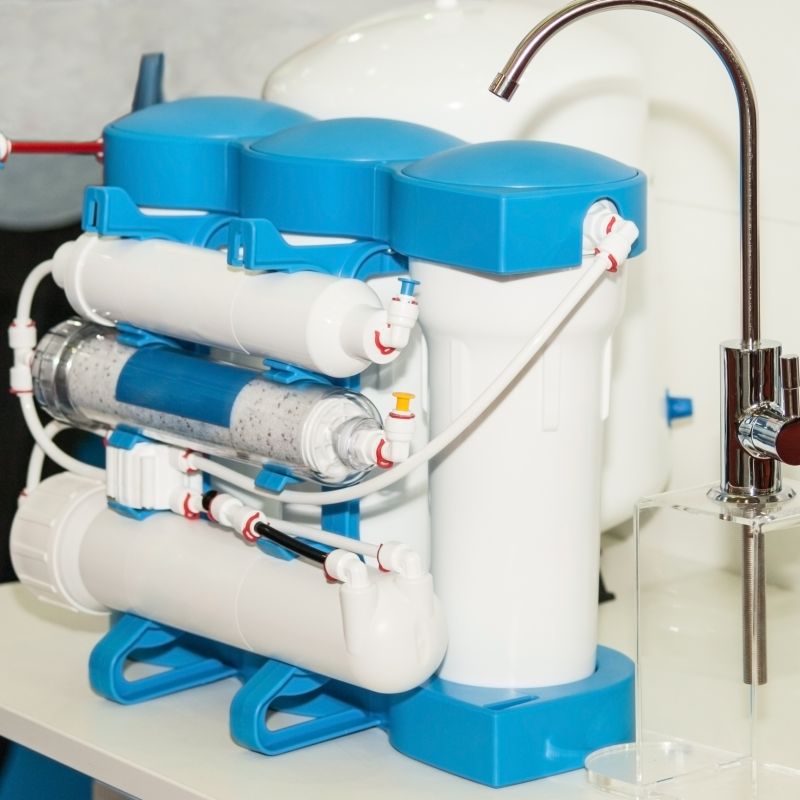
Reverse osmosis systems - remove contaminants and dissolved solids for cleaner drinking water.
Whole-house water filters - provide filtered water throughout the entire property.
Point-of-use filters - target specific faucets or appliances for enhanced water purity.
Water testing services - identify impurities and determine the best filtration options.
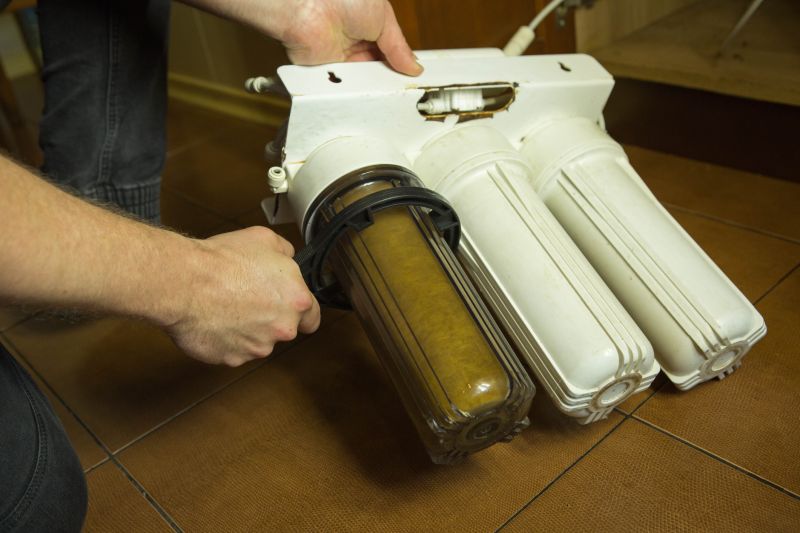
Maintenance and filter replacement - ensure continued effectiveness of water filtration systems.
Drinking Water Filtration Questions
What types of drinking water filtration systems are available? There are various options including point-of-use filters, reverse osmosis units, and whole-house systems designed to improve water quality throughout a property.
How do I know if my water needs filtration? Signs include unusual taste, odor, discoloration, or if testing indicates contaminants that filtration can address.
What contaminants can water filtration remove? Filtration can reduce substances like chlorine, lead, bacteria, sediments, and certain chemicals to improve water safety and taste.
How often should a drinking water filter be replaced? Replacement frequency depends on the system type and usage, but filters generally need changing every few months to maintain effectiveness.
Request Drinking Water Filtration in Cincinnati, OH
Use the quote form on this page to share the basics of your project and request more information for the type of work you need.