Get Well Installation
Well installation services help property owners set up and repair well systems, solving water supply issues for projects like new construction, repairs, or system upgrades.
Property owners considering well installation often seek reliable local contractors to ensure the job is completed properly and efficiently. Whether planning a new water source or upgrading an existing system, exploring your options and comparing different service providers can help you make informed decisions suited to your property's needs. This process can provide clarity on the services available in your area and assist in identifying experienced professionals capable of handling your project.
Continuing with your planning involves understanding the range of services offered by local contractors and evaluating which providers best match your project's scope. By gathering information and comparing local options, you can identify qualified service providers who can assist with well installation and related work. Keep reading to learn more about how local professionals can support your property’s water needs.
- Residential Well Installation - needed when homeowners require a reliable water source for daily household use.
- Commercial Well Drilling - necessary for businesses that depend on on-site water supply for operations.
- Aquifer Testing Services - essential when assessing groundwater availability before installing a well.
- Well Pump Replacement - required when existing pumps fail to provide adequate water flow or become inefficient.
- Well System Repairs - needed to address issues such as contamination, low pressure, or mechanical failures.
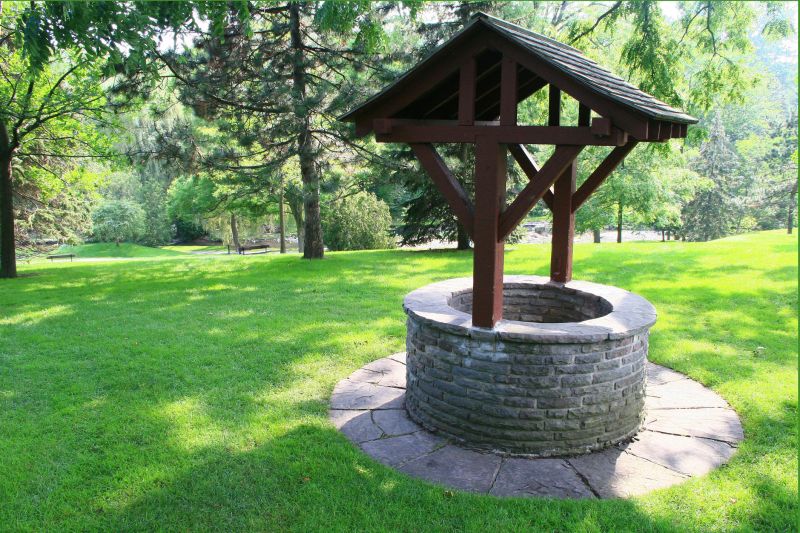


Well installation services involve the process of setting up a well system to provide a reliable source of water for a property. This includes drilling the well, installing the necessary piping, and ensuring the system is properly connected to supply clean water. These services are essential for homeowners in rural areas, properties without access to municipal water, or those seeking an independent water source. Skilled local contractors can handle everything from initial site assessment to the final installation, making sure the well is functional and meets all relevant standards.
This service helps address common water supply problems such as inconsistent pressure, low water availability, or contamination issues. For properties experiencing unreliable or insufficient water flow, a new well installation can provide a dependable solution. Additionally, well services can help eliminate issues related to outdated or damaged well systems, reducing the risk of leaks or contamination. By working with experienced local providers, homeowners can ensure their water system is properly installed and maintained, offering peace of mind and ongoing access to clean water.
Well installation is typically needed for a variety of property types, especially rural homes, farms, and properties that are not connected to municipal water lines. It may also be relevant for larger estates or properties with specific water needs, such as irrigation or livestock watering. In urban or suburban areas, these services are less common but may be required for properties with private water systems or for those seeking to upgrade or replace existing wells. Local contractors can evaluate the property’s specific conditions to recommend the best approach and ensure the system is tailored to meet the household’s water demands.
Understanding when to consider well installation involves recognizing signs like frequent water shortages, declining water quality, or the need for a more self-sufficient water source. If a property’s current well system is aging, damaged, or no longer meets water needs, consulting with local service providers can help determine if a new well is the right solution. These professionals can assess the site, recommend appropriate drilling and installation techniques, and ensure the system is set up correctly. Contacting experienced local contractors can provide clarity and support for homeowners looking to secure a reliable, long-term water supply.
The overview below groups typical Well Installation projects into broad ranges so you can see how smaller, mid-sized, and larger jobs often compare in your area.
In many markets, a large share of routine jobs stays in the lower and middle ranges, while only a smaller percentage of projects moves into the highest bands when the work is more complex or site conditions are harder than average.
Smaller Repairs - typical costs for minor well repairs or maintenance range from $250 to $600. Many routine jobs fall within this middle range, though prices can vary based on specific needs and local rates.
Well Installation - installing a new well generally costs between $3,000 and $7,000. Larger or more complex projects can exceed $10,000, but most standard installations are priced within this range.
Full Well Replacement - replacing an existing well often costs from $4,000 to $10,000. Projects in this category tend to be more extensive, with fewer cases reaching higher price points depending on site conditions.
Deep or Specialized Wells - drilling deep or specialized wells can cost $10,000 or more, with larger, more complex projects potentially exceeding $20,000. Such projects are less common but necessary for certain locations or requirements.
Actual totals will depend on details like access to the work area, the scope of the project, and the materials selected, so use these as general starting points rather than exact figures.
Geothermal Heating System Installation - involves drilling and underground piping, utilizing similar skills and planning as well installation to ensure efficient energy transfer.
Water Well Pump Replacement - requires installation and maintenance of well pumps, sharing tools and technical knowledge with well drilling projects.
Ground Source Heat Pump Systems - involves installing underground loops and managing subsurface planning, similar to well installation techniques.
Subsurface Drainage Systems - includes planning and installing underground piping to manage water flow, utilizing similar excavation and piping skills.
Water Line Installation - involves laying underground water lines, requiring precise planning and trenching comparable to well installation processes.
Soil Testing and Site Preparation - includes assessing ground conditions and preparing sites, foundational steps also necessary for well installation projects.
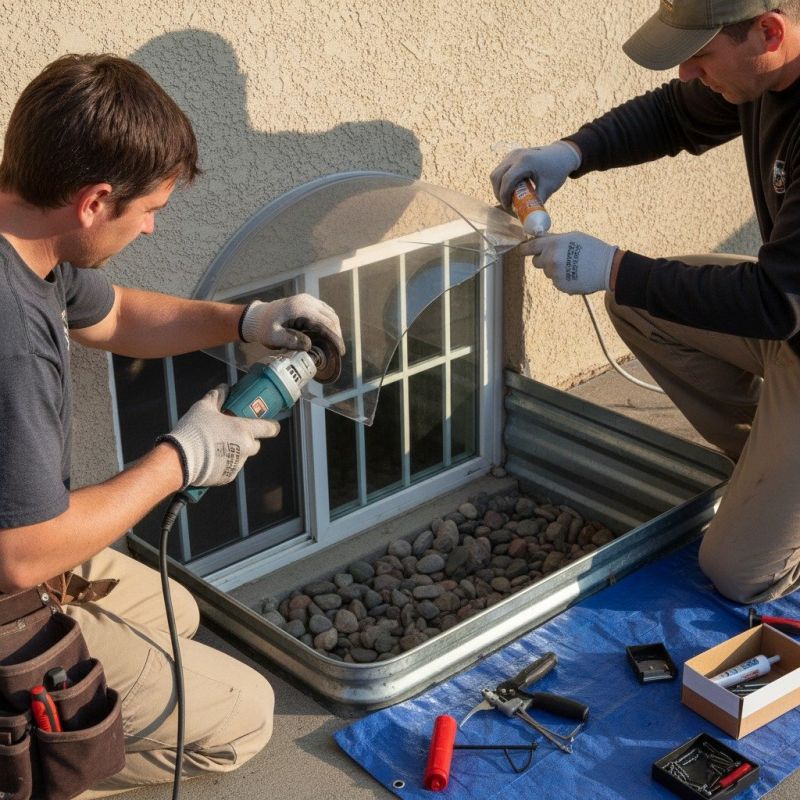
When comparing service providers for well installation, it’s important to consider their experience with similar projects. Look for local contractors who have a track record of successfully completing well installations comparable in size and complexity to the one needed. Experienced professionals are more likely to understand potential challenges and have established methods for ensuring the work is done properly. Gathering information about their past projects or asking for examples of comparable work can help determine if a particular provider has the relevant background to handle the job effectively.
Clear written expectations are essential to ensure that both the homeowner and the contractor are aligned on the scope of work. When evaluating local service providers, seek out those who can provide detailed descriptions of their services, including the steps involved, materials used, and any warranties or guarantees. Having a well-defined plan helps prevent misunderstandings and ensures that all parties are on the same page from the start. It’s also beneficial to clarify what is included and what is not, so there are no surprises once the project begins.
Reputable references and good communication are key indicators of a dependable well installation contractor. Asking for references from previous clients can offer insights into the contractor’s reliability, professionalism, and quality of work. Additionally, choosing a provider who communicates clearly and promptly can make the process smoother and more transparent. Good communication includes listening carefully to questions, providing thorough explanations, and keeping the homeowner informed throughout the project. Remember, this site helps connect homeowners with local service providers; it does not perform the work itself, so taking the time to compare these qualities can lead to a more successful project outcome.
Property owners use Well Installation services for practical projects around their homes and businesses. This guide focuses on everyday jobs and straightforward project options.
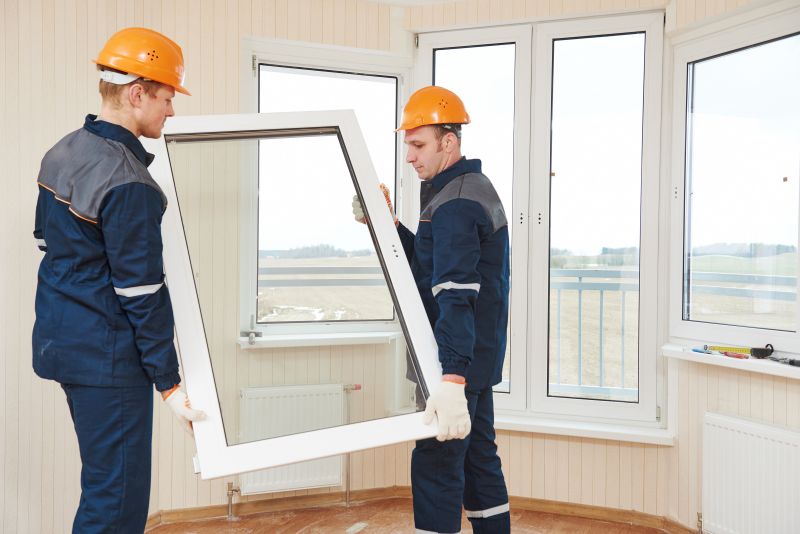

Well installation services are often needed when property owners are upgrading or replacing existing systems to improve efficiency or meet new requirements. Common situations include replacing an outdated well, installing a new well for a property that previously relied on other sources, or upgrading equipment to ensure reliable water supply. Local contractors can handle these projects, providing the expertise to ensure the system is properly installed and functions as intended.
Property owners might also seek well installation when developing a new property or expanding an existing one that requires a dedicated water source. Additionally, some may need assistance with well repairs or modifications to optimize water flow and quality. Local service providers are equipped to manage these everyday projects, helping property owners maintain a steady and dependable water supply.
What types of well installation services are available? Local contractors offer a range of well installation options, including drilled wells, dug wells, and driven point wells, tailored to different property needs.
How do I know if a property is suitable for well installation? Service providers can assess soil conditions, water table levels, and property layout to determine if well installation is feasible and appropriate.
What preparations are needed before well installation begins? Typically, property owners should ensure clear access to the installation site and provide any necessary permits or documentation requested by local contractors.
What equipment is used during well installation? Local pros use specialized drilling rigs, casing, and pumps to properly install and secure the well system for reliable water access.
What maintenance is required after a well is installed? Well service providers can advise on routine inspections, water testing, and necessary repairs to keep the well functioning properly over time.
Well System Installation - Property owners can set up a new well to ensure a reliable water source for irrigation, landscaping, or household use.
Water Supply Expansion - Installing a well can help expand water access in rural or underserved areas where municipal water is unavailable.
Existing Well Replacement - Replacing an outdated or failing well with a modern system can improve water quality and flow for everyday needs.
Emergency Water Access - Well installation services can provide a backup water source during municipal outages or emergencies.
If you are thinking about Well Installation for a property, this guide is meant to help you understand the work, the typical project types, and how different options might fit your plans.
When you are ready, you can use the quote form on this page to share a few details about your project. From there, local pros can review the basics and respond with options that match what you have in mind.